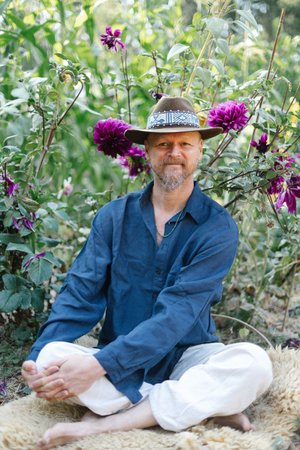
Rites of Passage and Community Initiations
At Wanosh, we often say that the land teaches in layers. Long before any of us arrived, these hills, creeks, and stands of douglas‑fir were already whispering a cultural memory older than our modern world knows how to understand. And while we don’t frame our workshops as initiations in the traditional sense, something unmistakably initiatory happens when people come here: the land begins to rearrange the inner architecture.
The world is changing fast, and many of the old ways that once held people through life’s thresholds have been eroded by colonization, dislocation, and a society built around speed rather than depth. Initiation today rarely looks like a ceremony in a grove; it often looks like someone standing in their own life, overwhelmed, hungry for meaning, and unsure where to turn for guidance. And so, quietly and almost without naming it, Wanosh has become a place where people come to rehear the ancient instructions through the everyday work of tending land, building shelter, and remembering how to live in community.
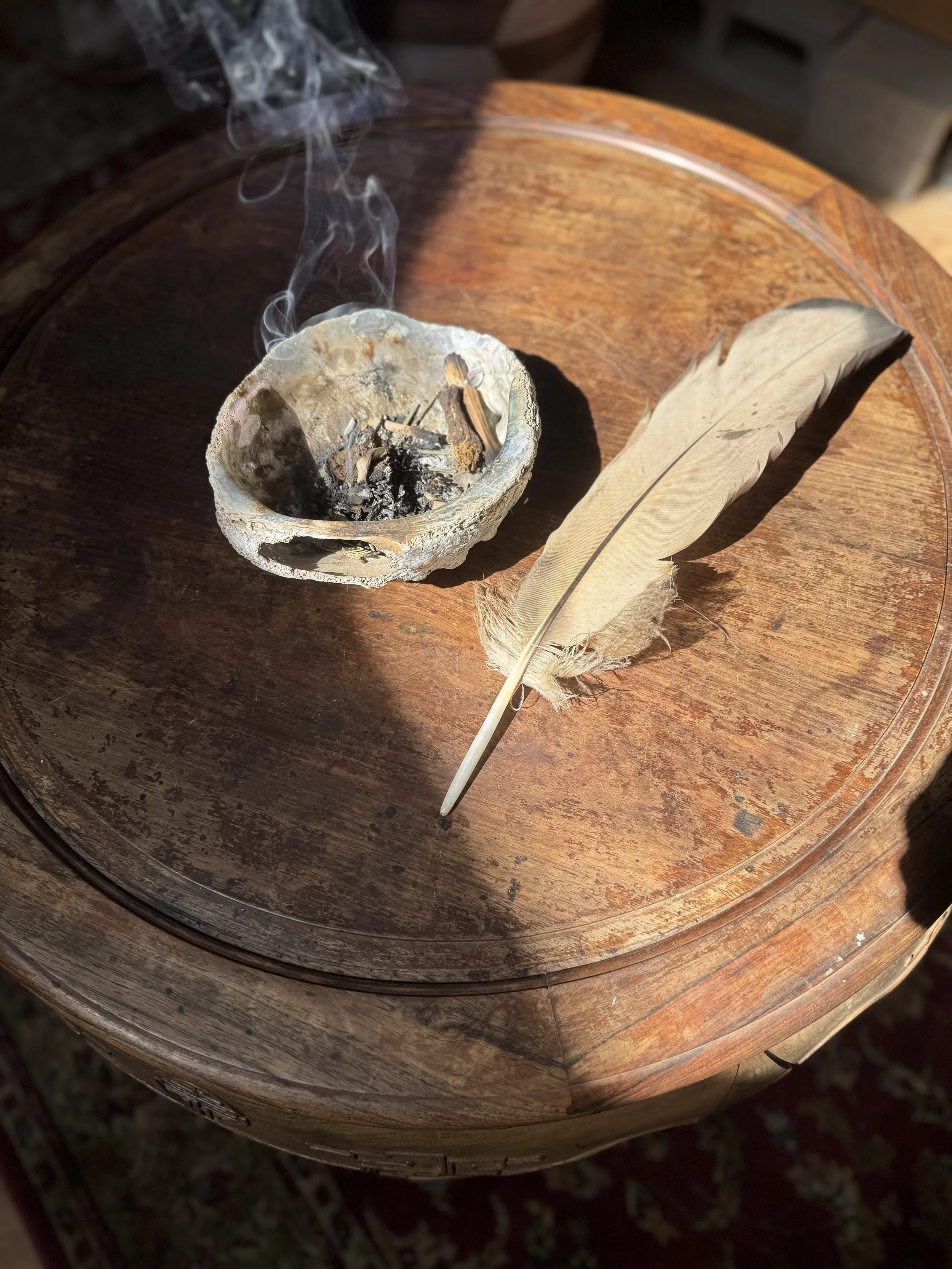
When we host a round‑pole timber framing workshop, we’re not just teaching joinery. We’re giving people an embodied experience of aligning intention with matter, patience with precision, and strength with cooperation. For many, it is the first time they’ve ever worked alongside others in a rhythm that isn’t just about productivity, but about relationship. Something softens in the body when the work itself becomes a teacher. Something opens.
When we gather for Forestry Weekends, what seems like a practical land‑stewardship offering becomes a deep reorientation. People begin to understand fire not as an enemy but as a relative; they begin to see the forest not as a backdrop but as a community of beings with their own needs, histories, and thresholds. Tending the land becomes a way of tending the self. And in that tending, people often find themselves crossing internal thresholds they didn’t know they were ready for.
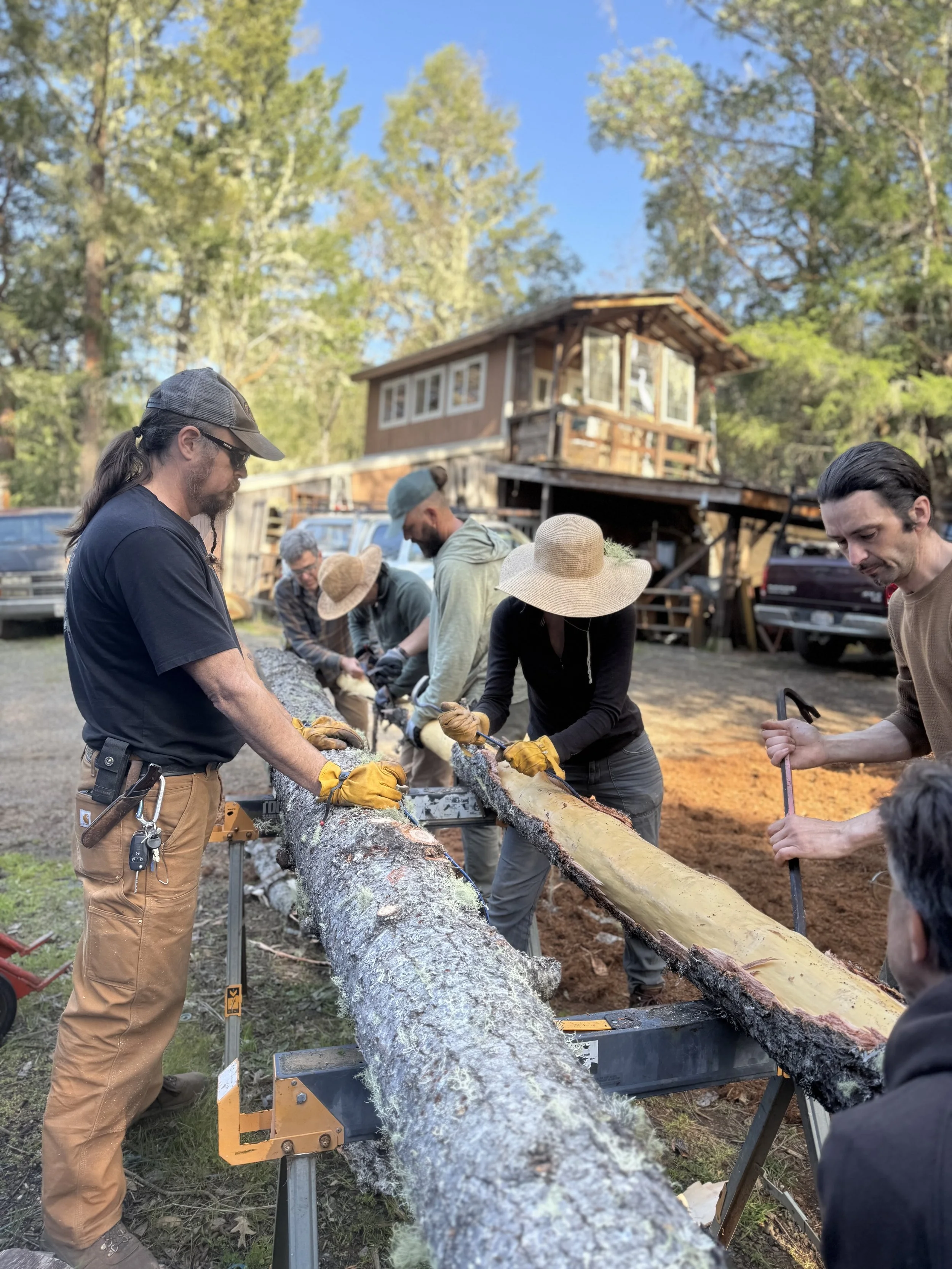
Even in the simplest things; the tea sits, the shared meals, the communal labor, the return to quiet, people encounter something they rarely meet in everyday life: unhurried presence. And in that presence, the heart begins to remember a way of belonging that feels older than any of us.
We wouldn't say we are an initiation school. But what we are doing is clearing space for cultural transformation to become visible again. Every building project we undertake, whether it’s an earthen wall, a timber frame, or a ceremonial lodge is part of a larger remembering. These structures are not just functional; they are invitations. They are a statement that sacred architecture is not a metaphor. It is a way of saying: We are creating places where the soul can walk in unguarded.
And the healing spaces we are building; the forested alcoves, the grief grove, the fire hearths, the future temple on the ridge are less about outcome and more about availability. They exist so that when someone meets a threshold they didn’t expect, they have somewhere to land. Integration is not a footnote; it is the real work. It is the stitching together of the inner and outer life after something essential has shifted.
This is Wanosh: the offerings are not separate from the deeper cultural work. The pathways of restoration through forest, clay, song, water, ceremony, craft are all preparing us for something larger than skills. They are rehearsals for a kind of village life that colonization spent centuries dismantling. They’re helping people reconnect not only to land, but to the parts of themselves that know how to belong to land.
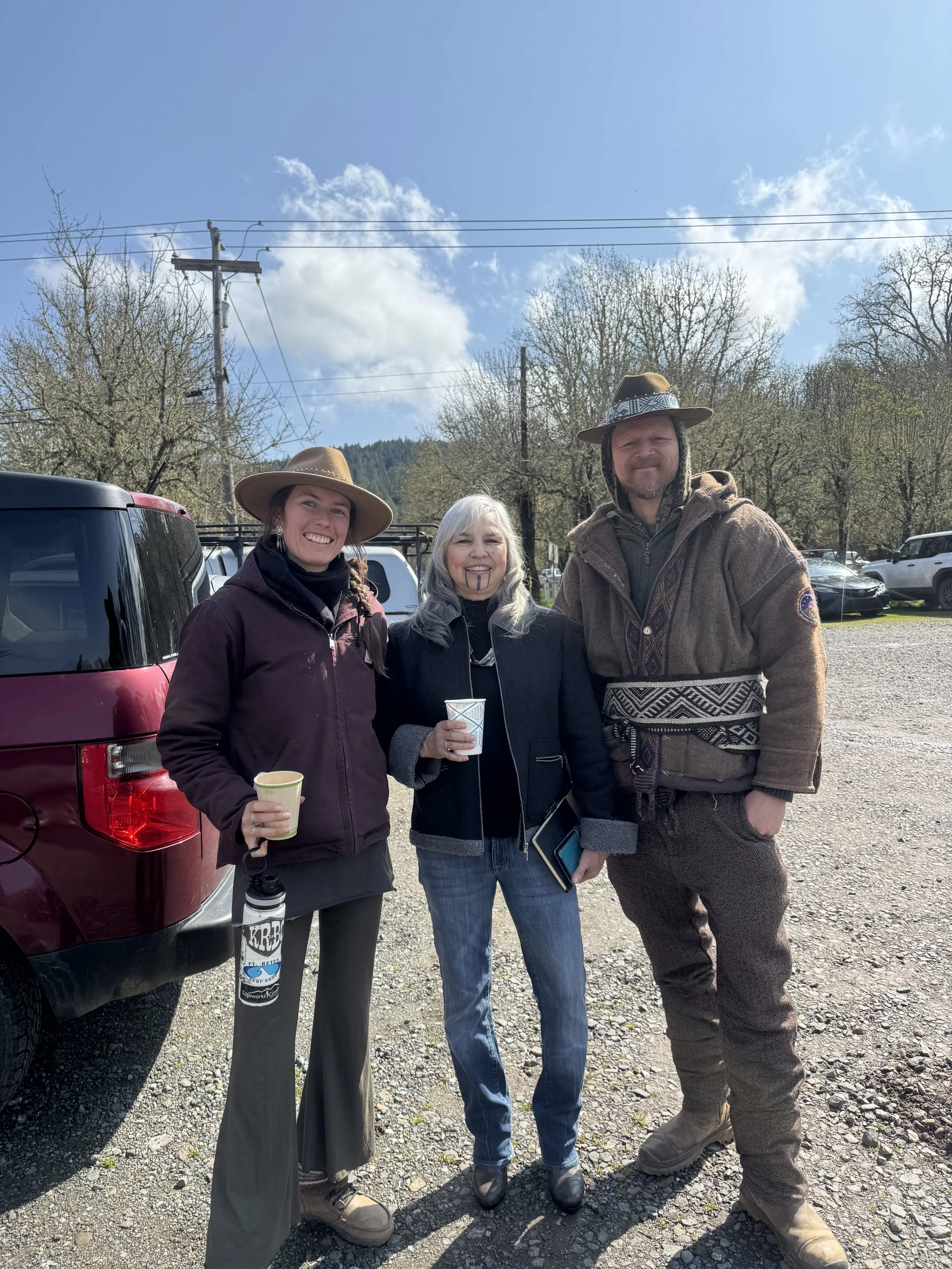
Cheyenne Clarke, Margo Robins, Blair Philips
So we ask the questions that matter now: What becomes possible when people remember how to work side by side? What kind of culture emerges when we make beauty with our hands instead of consuming it? What happens when we create places that honor grief, thresholds, and transformation instead of rushing past them? And what if these small acts of building, tending, listening, gathering are laying the foundations for the elderhood and ritual life that our descendants will one day inherit?
Wanosh is a stepping stone, a seedbed, a rehearsal space. A reminder that culture grows from the ground up, one relationship at a time. And if our offerings feel like initiations-in-disguise, it is because the land itself remembers how to guide people home to a vision of what can be from what was and a trail through the collective wounds to the truth we know in our hearts