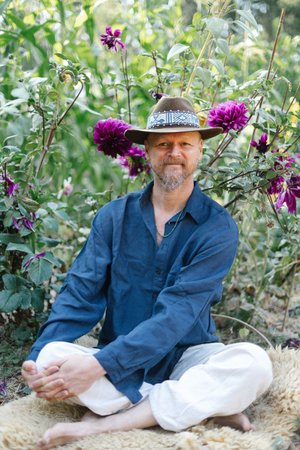
Callused Hands and the Collapse of Romanticism
There’s a movement sweeping through social media and modern consciousness; a romantic dream of leaving it all behind to live off-grid, start a homestead, and build community close to the Earth. Scrolling for five minutes and you’ll see it: cabins glowing at sunset, perfect garden harvests, slow mornings with goats and coffee. But behind every picturesque image lies a truth most don’t post... it’s not that simple.
At Wanosh Forest Gardens, we’ve seen the full spectrum of this dream. Visitors often arrive captivated by the beauty, the scents of a blooming garden, the sound of drums echoing through forest, the shared meals under the stars. But what holds that beauty together isn’t magic... it’s labor. It’s the daily tending, the repairs, the moments of disagreement followed by resolution. It’s the callused hands that make the dream real.
The daily reality of land-based living can be humbling. Compost toilets clog. Irrigation lines burst. Meals don’t make themselves, and solar systems fail when it’s cloudy for a week. The dream of simplicity often collides with the complexity of responsibility. The fantasy of community meets the friction of commitment.
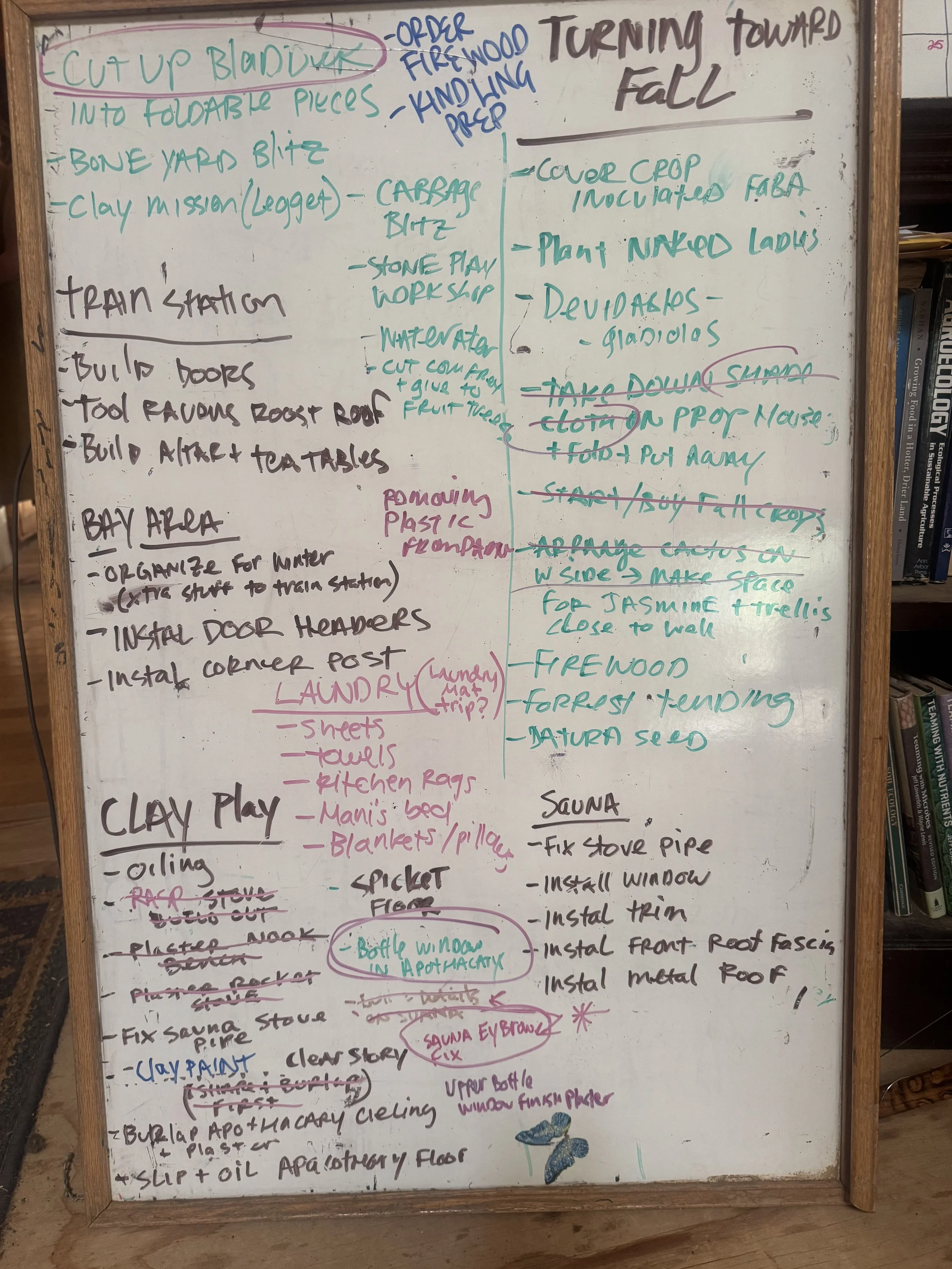
Many arrive seeking belonging but not always accountability. They want the magic circle, not the calloused hands. They want to feel connected, but not necessarily to show up when the firewood needs splitting or the garden needs weeding. This isn’t a moral failure, it’s the residue of a culture that has taught us to outsource our effort and glorify ease.
Real community isn’t a retreat; it’s a living system built on reciprocity, humility, and endurance. It thrives when people follow through, repair what breaks, and give at least as much as they take. Those who have been doing this work for years, the stewards, builders, teachers, and tenders are often stretched thin, holding the vision with devotion while others cycle through the dream.
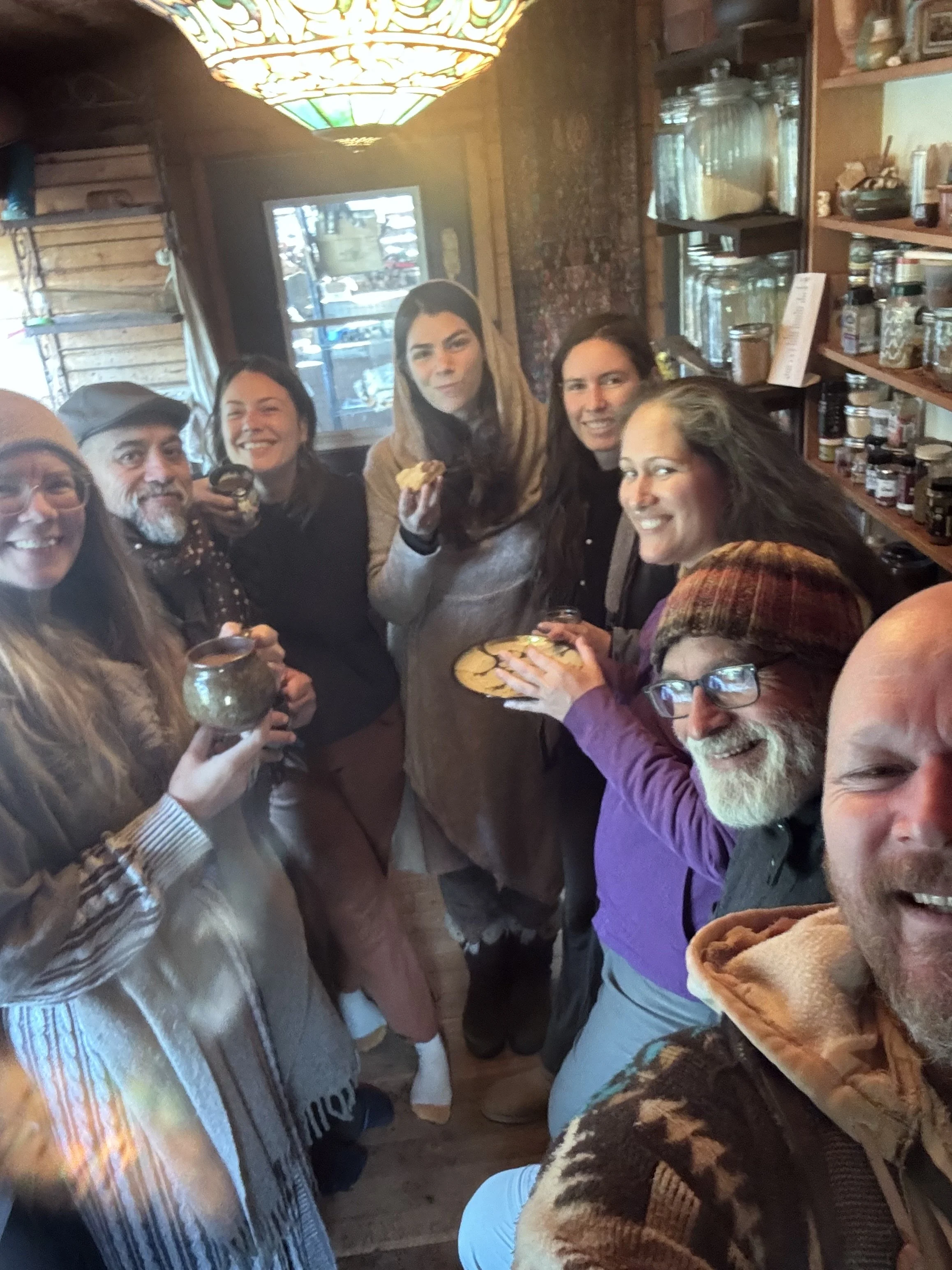
There’s also a strange irony: the same people most drawn to this way of life sometimes carry the conditioning that undermines it. We’ve been raised to measure success by comfort and convenience. When faced with sweat, conflict, or repetition, many falter. But that friction is the gateway, the moment where the real learning begins.
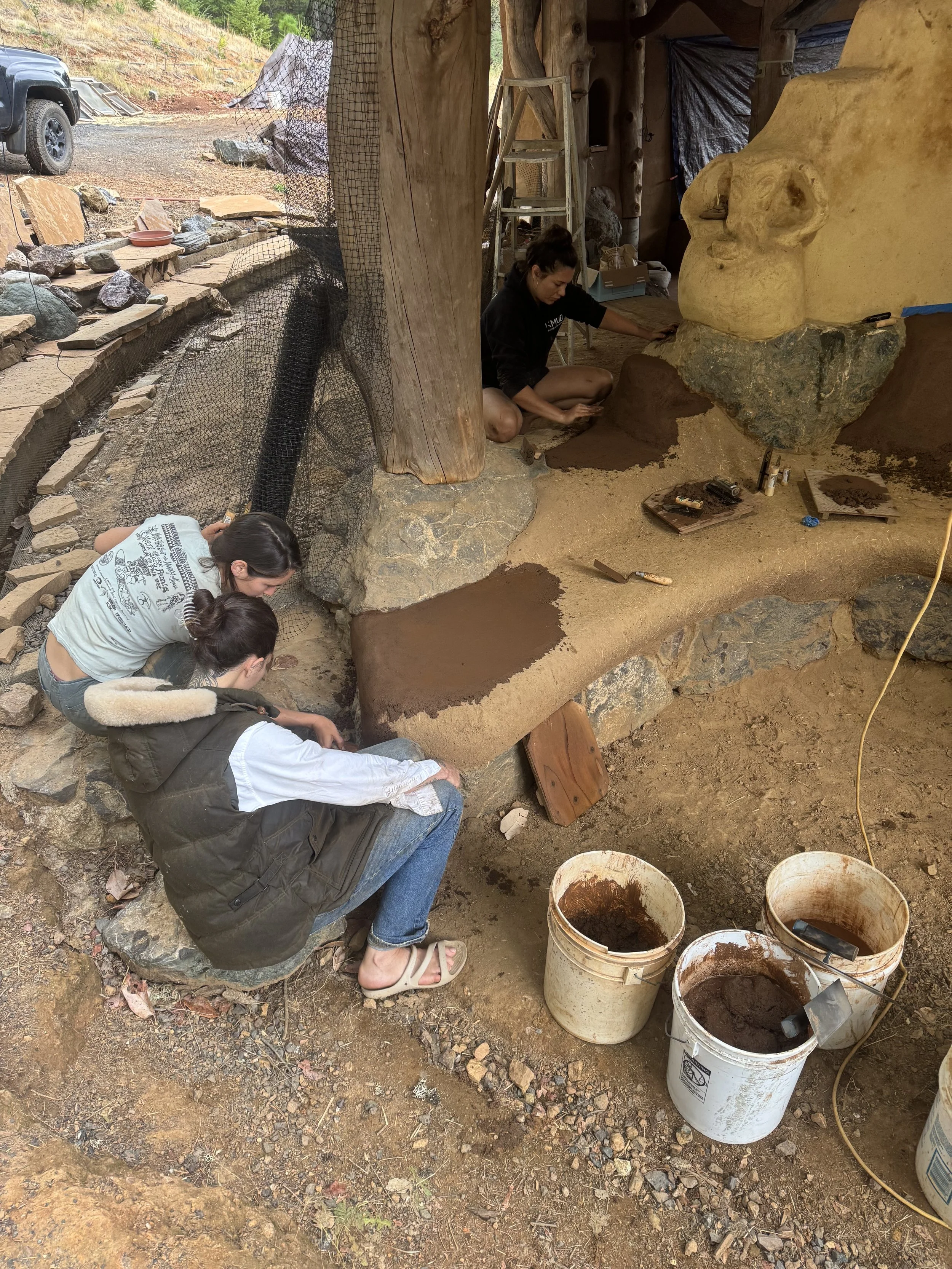
The invitation, especially here at Wanosh, is to move beyond the aesthetic of regeneration into its practice. To remember that compost isn’t waste; it’s transformation. It’s what happens when we face decay, both our own and the Earth’s, and turn it into something fertile. That’s the real work of regeneration.
If you’re dreaming of community, bring your readiness to participate. Bring your willingness to get dirty, to stay curious, to keep showing up. Because what sustains these places isn’t perfection... it’s people willing to tend, build, mend, and grow together.