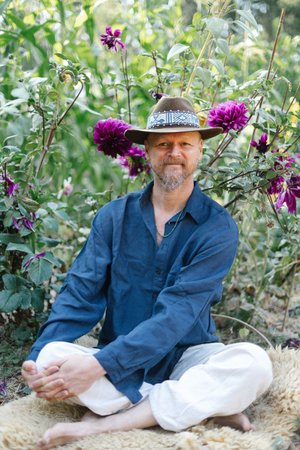
Decolonizing Attention: Remembering the Earth Beneath the Noise
We live inside a strange paradox. Many of us speak about decolonization with conviction, yet our attention has been quietly colonized by the very systems we long to heal from. Every scroll, every algorithm, every headline engineered to trigger outrage or urgency pulls our awareness further from what we can touch, tend, and transform.
Meanwhile, politics and corporate interests flood the collective field with deceit and distraction. The deeper work of remembering of restoring relationship and re‑entering reciprocity becomes buried beneath noise. Both the colonizer and the colonized now live in the shadow of disconnection, carried far from the intact cultures that continue to be humans in right relationship with place.
At Wanosh, we feel this rupture every time someone arrives overwhelmed, overstimulated, longing to reconnect but unsure how to begin. We see it in the hunger for meaning that so often shows up as exhaustion, the habitual reaching for the smart phone. We see it in the way people light up the moment their feet touch forest duff, as if their nervous systems suddenly recognize a language they had forgotten they still spoke.
What do we do when our culture‑keepers are gone? when those who carried the songs of water, the rhythms of fire, the ceremonies that kept humanity tethered to the living world have vanished or nearly so? When access to original tongues fades, and the rituals that rooted us are reduced to fragments?
We begin again and we prepare for their arrival.
We recognize that, at this point, every one of us carries a shared wound of separation. Regardless of ancestry, we have all suffered the loss of living in right relationship and being colonized. But we also share a birthright: the ability to learn again from the living world. The stones still speak. The fire still teaches. The plants, the rivers, the animal relatives all remember us, even when we forget ourselves.
Here on the land with Wanosh, this remembering happens slowly, through the body. Through morning tea in the forest. Through listening to the watershed as we work to restore it. Through the smell of round‑pole timber drying in the filtered sun. Through the way chaperoning fire teaches the discipline of tending fire with humility and respect instead of fear. Through the simple act of taking a breath without checking a screen, and catching ourselves when we do.

For those who still hold intact cultural threads carrying songs, stories, and practices that have survived erasure, we bow. We ask for your guidance, where appropriate, and we honor your discernment when something must remain protected. This is not a call for appropriation but for renaissance: a remembering of shared ancestral memory rooted in reverence and reciprocity. I would like to suggest that this is a crucial role in dismantling colonization and the consequential perpetuation of separation that we are experiencing in these times.
To decolonize is not only to challenge power structures, it is to reclaim our attention. To put the devices down and step into the breeze. To listen until the land speaks again. At Wanosh, we see how quickly people recalibrate when they are given the smallest amount of silence. How grief softens and has a place to be expressed. How clarity returns. How belonging becomes not an idea, but a sensation.
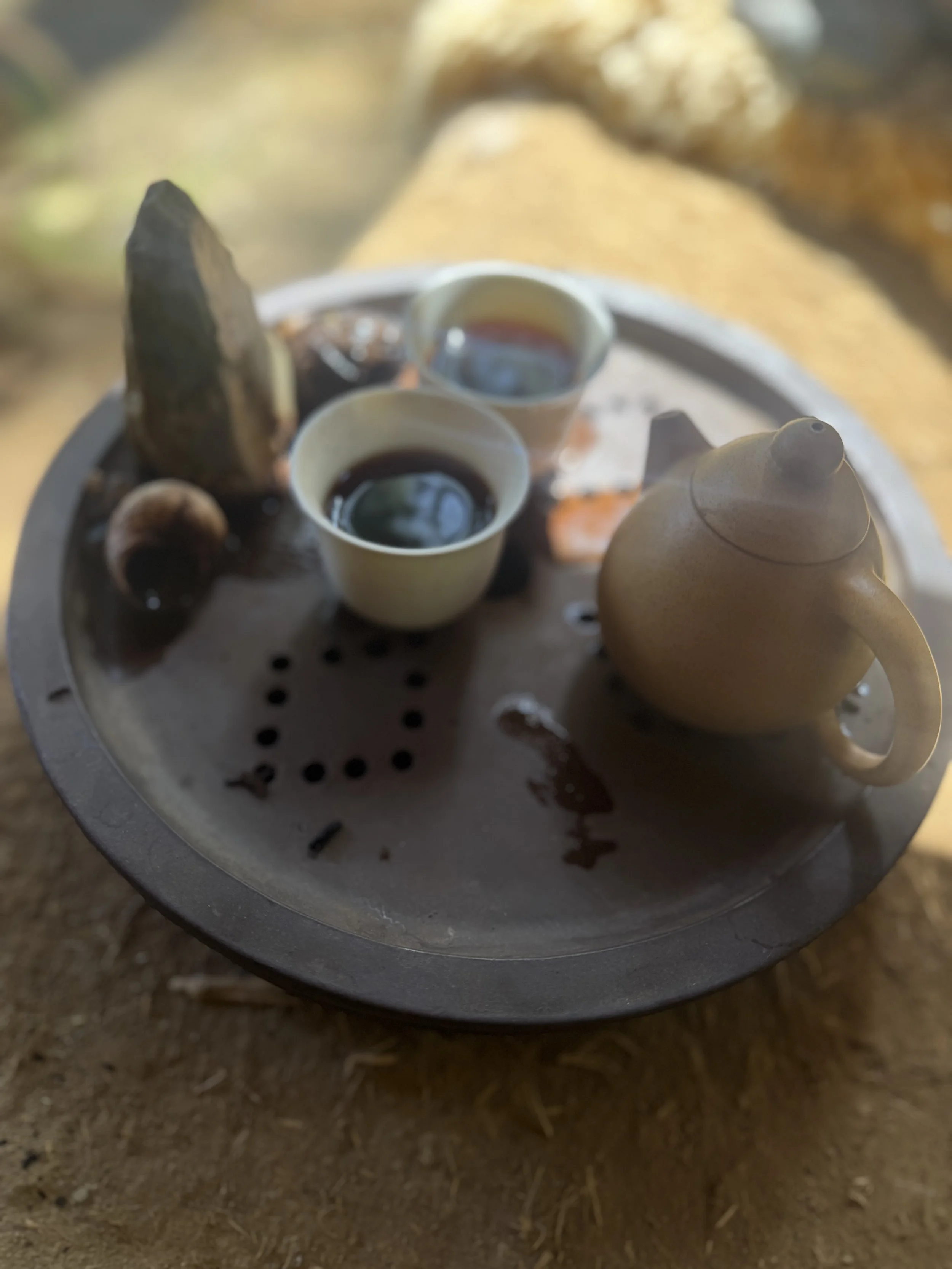
quiet ceremony.
Its not a coincidence that in these times of chaos and upheaval that the master plant teachers are making their way into more settled territories. Some say these medicines are the voices of the ancestors returning, guiding both the colonized and the colonizers toward reconciliation. They ask us to integrate the wisdom of peace, to remember the sacred value of life force, and to reclaim our relationship with land as kin, not property.
This is what the Land Back movement, at its heart, speaks to: colonization didn’t just take land from people; it took people from land. Now, in a moment of global unraveling, the invitation to bring our attention home is clear. how do we disentangle from the story of consumption and privatization we've been fed when we are so deeply enmeshed in the comforts and ease it provides? This is now a dilemma for all of us. How we respond shows the true colors of each of our indigenous hearts.
To tend what is near. To listen for what is true. To allow our daily lives to become ceremony again, not in performance, but in participation. A practice of discipline to stay in alignment with our values and reset the stage for the generations to come. I really appreciate what one of my teachers, Kumu Ramsey, shares about one facet Ho'oponopono, the forgiveness practice. In his shares he reframes the 7 generation saying of North America that say we need to think 7 generations ahead to seeing ourselves as the bridge between the 3 generations behind us to the 3 ahead of us. That we are the bridge that keeps the line straight in the lineage, and consequently, how we both repair and heal for our ancestors as we dig into the places we need to forgive ourselves, and thus set things Pono (aligned or right) for those to come.
And perhaps this is what Wanosh is quietly making space for: a place where cultural transformation becomes visible through the way we build with earth, tend the forest, cook meals together, restore watersheds, and create spaces for integration and ceremony. A place where decolonizing attention becomes not a concept, but a lived practice and embodied return to the real, relational world.
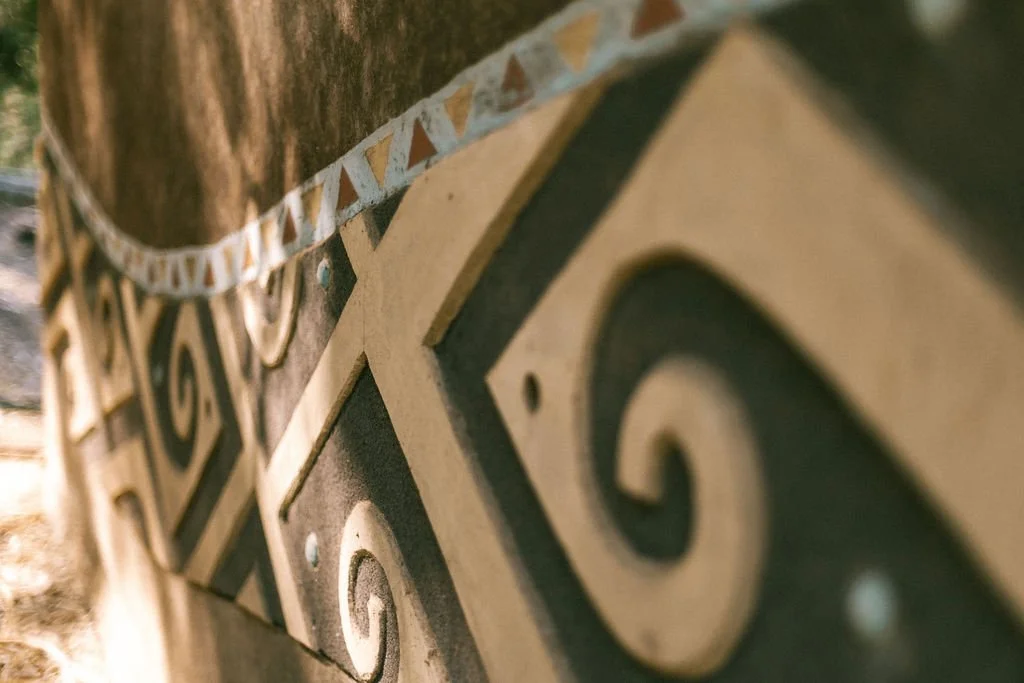
sacred sauna sgraffito made carving out layers of clay
May we continue remembering