Midwifing the Descent: Integration After the Peak
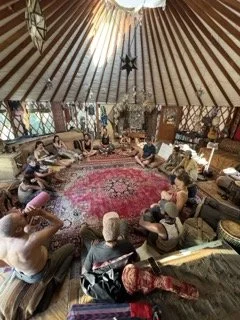
There is a moment after every summit when the song fades, the embers cool, and the echoes of a workshop, ceremony, festival, community action, or transformative gathering begin to settle. The body hums with change, the heart feels cracked open, the world looks newly alive. And then comes the descent; back to jobs, routines, bills, and inboxes, to a life that may suddenly feel too small for the expansion we’ve tasted.
This is where integration begins and where many people lose their footing.
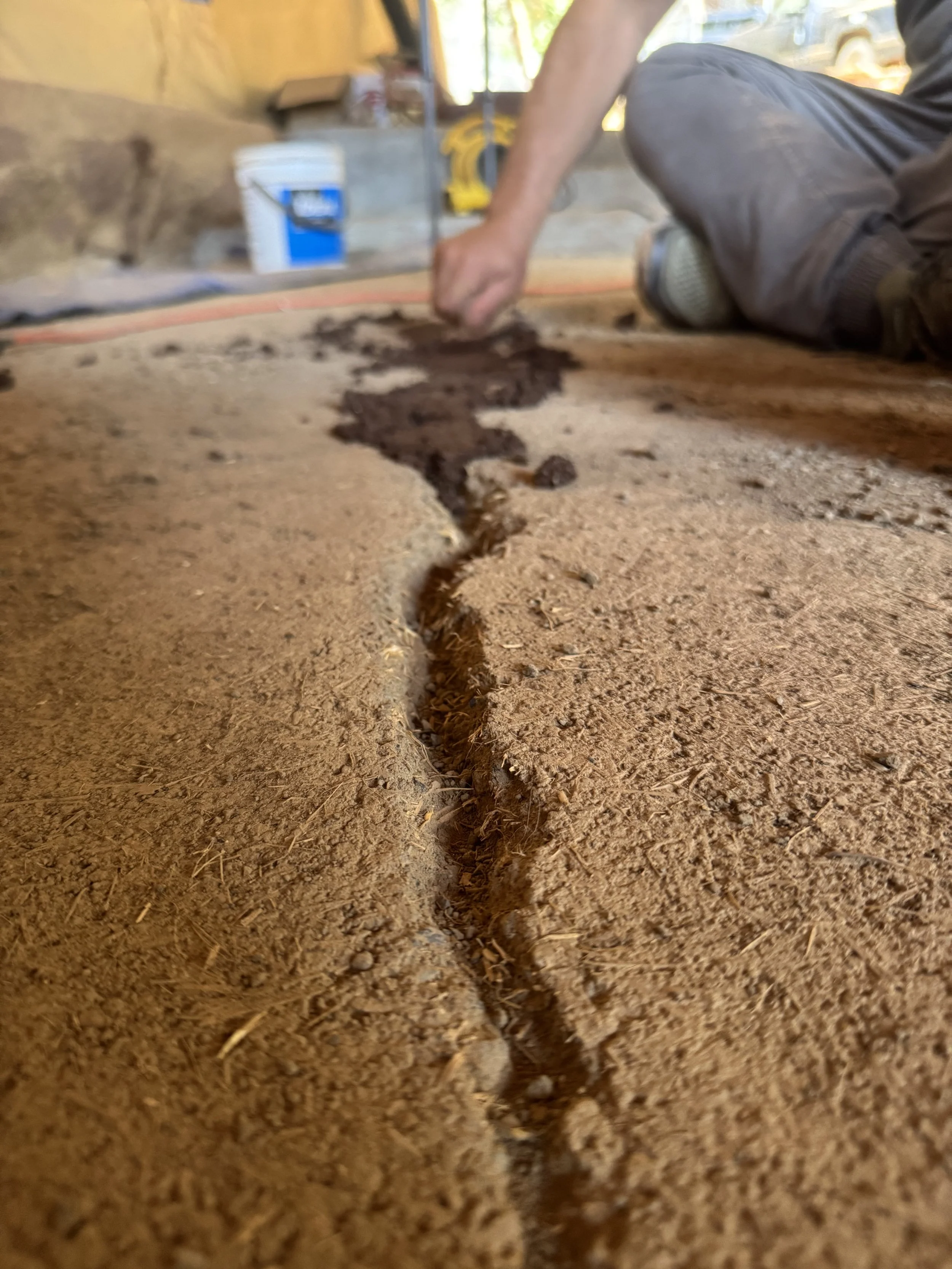
Peak experiences are gateways. They open our hearts, reveal our purpose, and reawaken the dormant life force within us. But they are only the beginning. The true initiation is not what happens on the mountaintop; it’s what we do with the revelation once we return to the valley. Integration is the bridge between awakening and embodiment and it requires radical self-accountability.
This accountability is not about perfection or penance; it’s about choosing to keep reaching out even when it would be easier to contract. It’s about remembering that integration doesn’t happen in isolation. Healing, growth, and remembering are communal acts. We integrate by staying connected and by letting others witness our process, by offering our presence when someone else is navigating theirs.
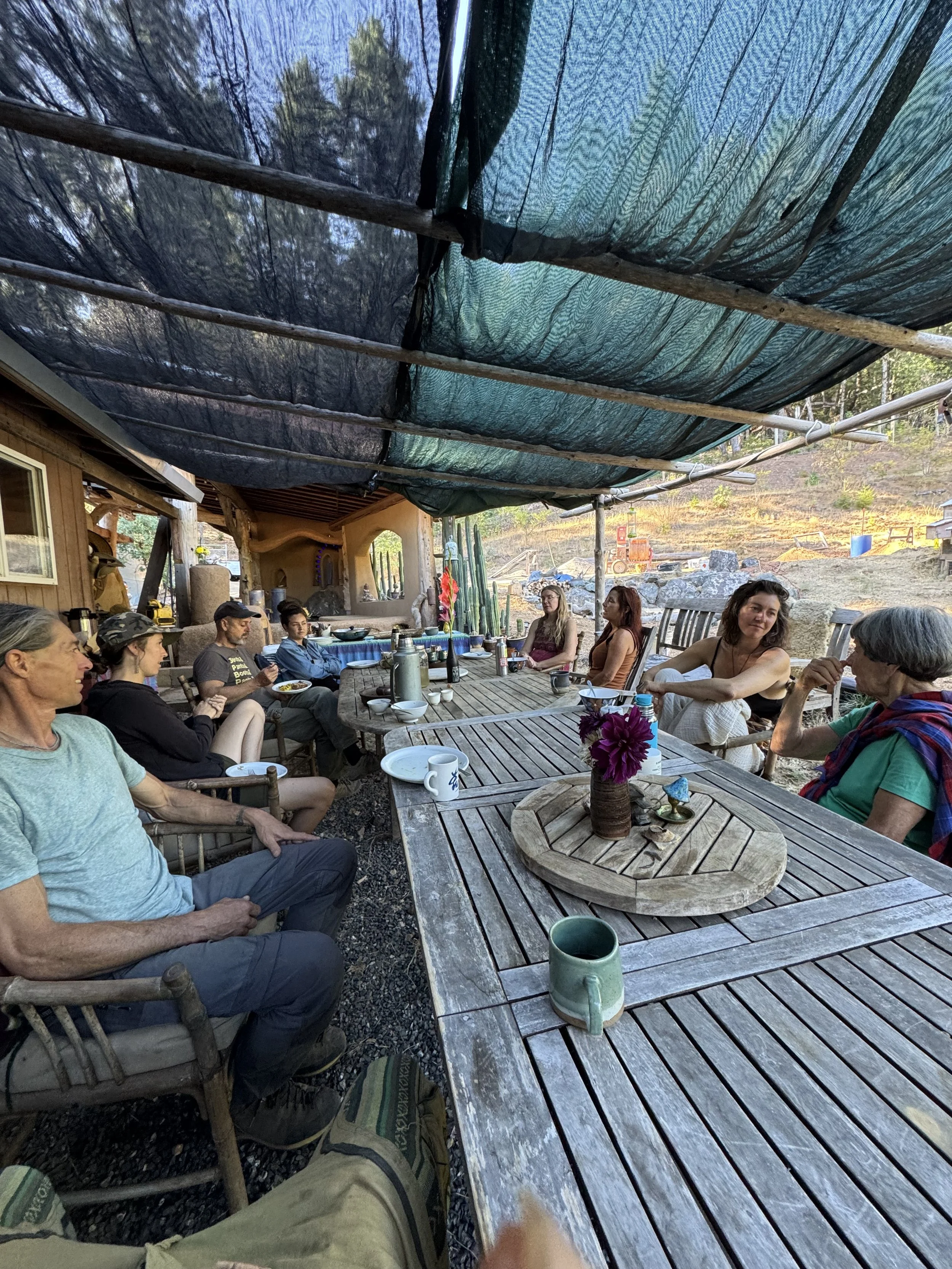
For too long, our dominant culture has replaced real community with comment threads, likes, and story features that echo into silence. People talk to crickets and voyeurs instead of neighbors and friends. Cancel culture and curated identities have made vulnerability dangerous, and yet vulnerability is the birthplace of belonging. The invitation now is to return to the human scale… to rebuild trust through conversation, shared meals, and mutual tending.
Continuing the internal work is a radical act that need not be done alone. One layer of community is the willingness to be available: both to show up for ourselves and to show up for others. When we allow that reciprocity to flow both ways, we begin to dissolve the individualistic protection mechanisms that the dominant narrative has fed us. Yes, there are times when therapists, mentors, or formal spaces of healing are needed; but we must not let those systems replace the simple medicine of friendship: the humility, the honesty, and the trust that can only be built through consistent presence, and acceptance of each others shortcoming as we are both being and becoming.
Wanosh is a community of builders, teachers, and guides, and our task is to midwife this descent; to offer hands that hold, ears that listen, and mirrors that reflect. Sometimes this support takes the form of council circles, ongoing mentorship, or simply shared labor on the land. Sometimes it’s a voice on the phone reminding someone: You’re not crazy.
Integration asks us to build bridges between experiences and the mundane, between the culture of consumption and the culture of care, between extraction and reciprocity, between the inner renaissance and the external systems still built on the enslavement of attention and life force. The work is not to escape the world but to transform how we inhabit it.
And yes, this support often happens without money, because true reciprocity transcends currency. We support one another through time, listening, shared meals, and the unspoken understanding that healing the world requires collective tending. Each person who steadies another in their integration is strengthening the fabric of the new world being born.
The descent after the peak is an anchoring. It’s how revelation becomes regeneration. When we can carry the frequency of the mountain into the marketplace, into our work, into how we treat each other, that’s when transformation becomes culture. That’s when the prayer becomes visible.